
October 10–14, 2026
Kathy and I have returned to Dresden, Germany, many times. It is a city renowned for its cultural life, world-class museums, Baroque beauty, and quiet vibrancy. Over the years, we have watched it steadily rebuild the historic buildings that were reduced to rubble during the devastating bombings of World War II. Today, that remarkable restoration seems nearly complete.
Our hotel was an NH Collection property conveniently located in the Altstadt (Old Town). I had never booked with this hotel chain before, and we were delighted to discover that each couple received a suite. What a pleasant surprise!
Our first event in Dresden was a marvelous concert at the Kreuzkirche (Church of the Cross), a Lutheran church. The music reverberated beautifully throughout its vast stone-and-concrete interior, beneath the enormous tiers of balconies.
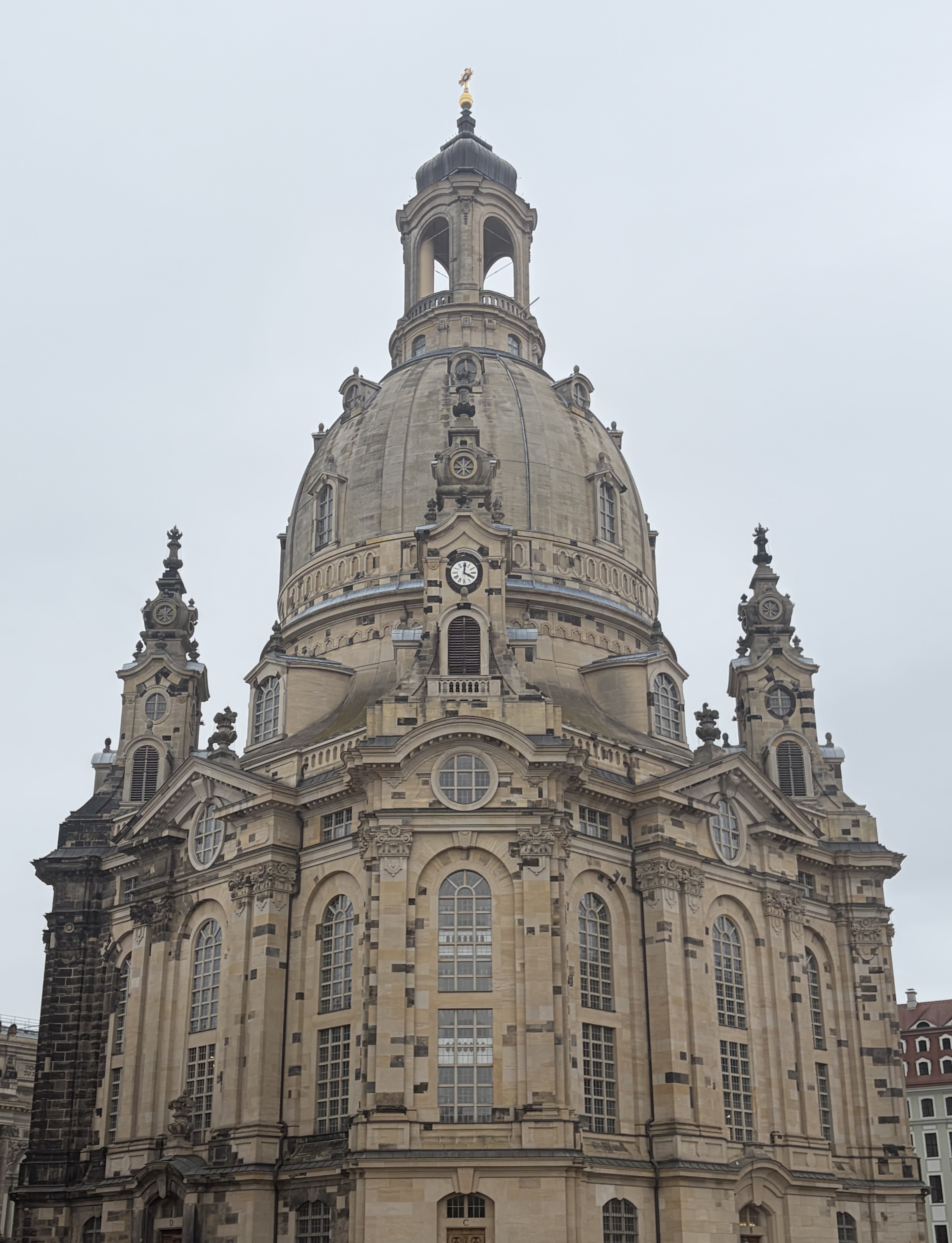
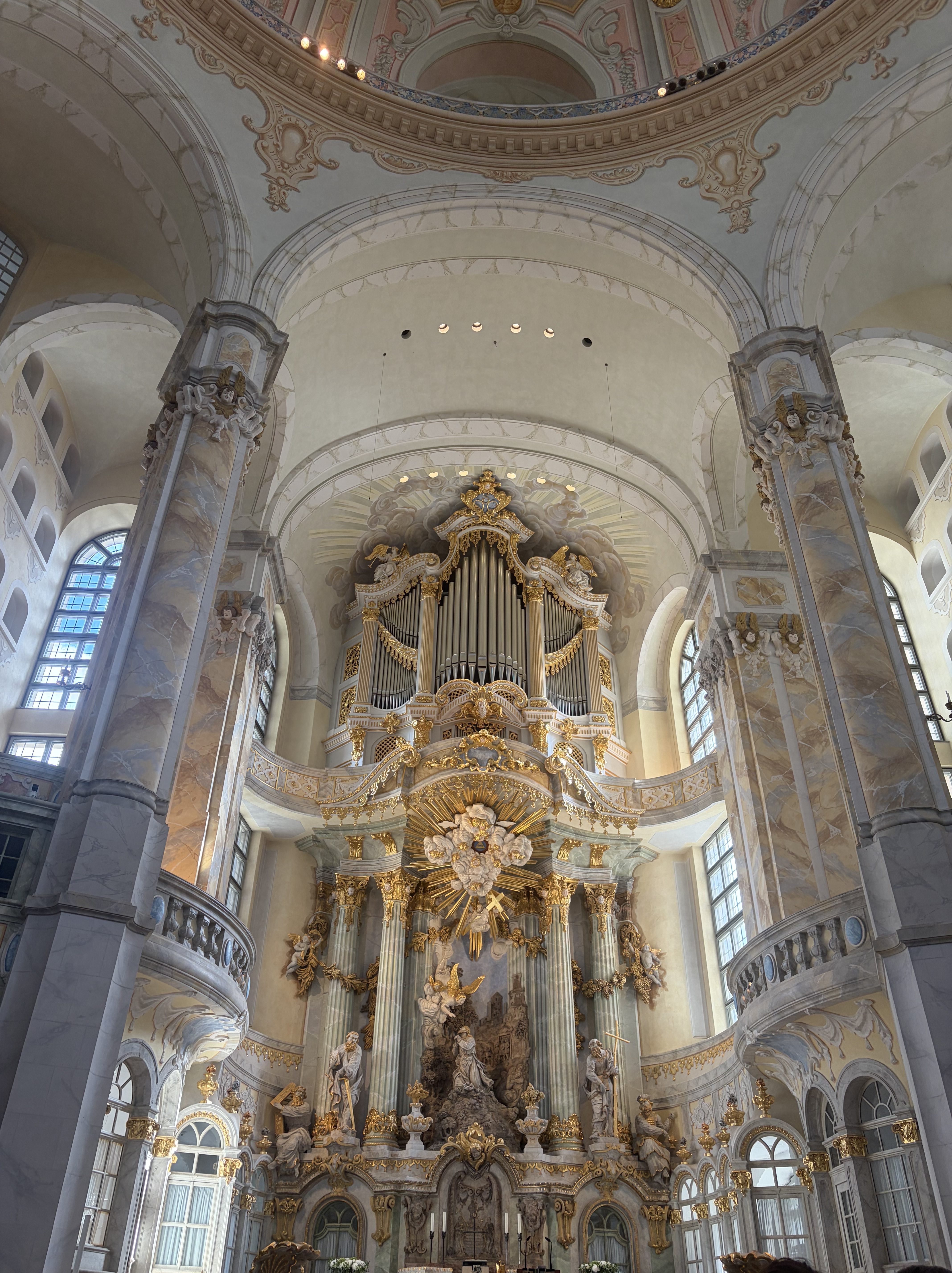
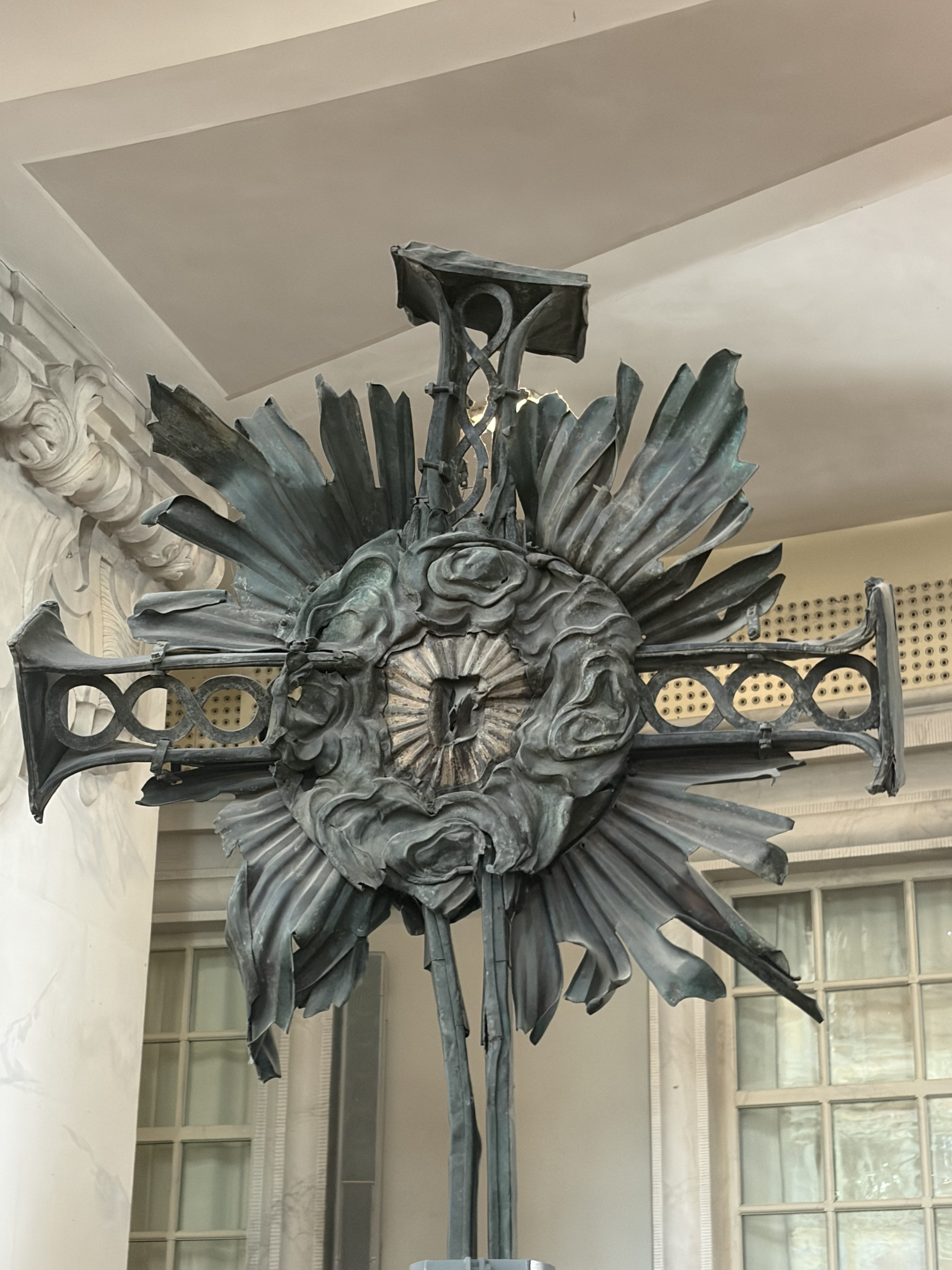
The following day, we were privileged to attend the full German-language Sunday morning service at Dresden’s most recognizable landmark, the magnificent Frauenkirche (Church of Our Lady), often called the city’s “Stone Bell.” The eye is immediately drawn to the towering white-and-gold sculpted altar, centered on Jesus in the Garden of Gethsemane, with angels attending Him. Five tiers of balconies draw the eye upward toward the Baroque dome, decorated with biblical scenes in soft pinks and blues. From the main floor to the top of the interior dome is an astonishing 220 feet! We especially enjoyed the music of the enormous pipe organ.
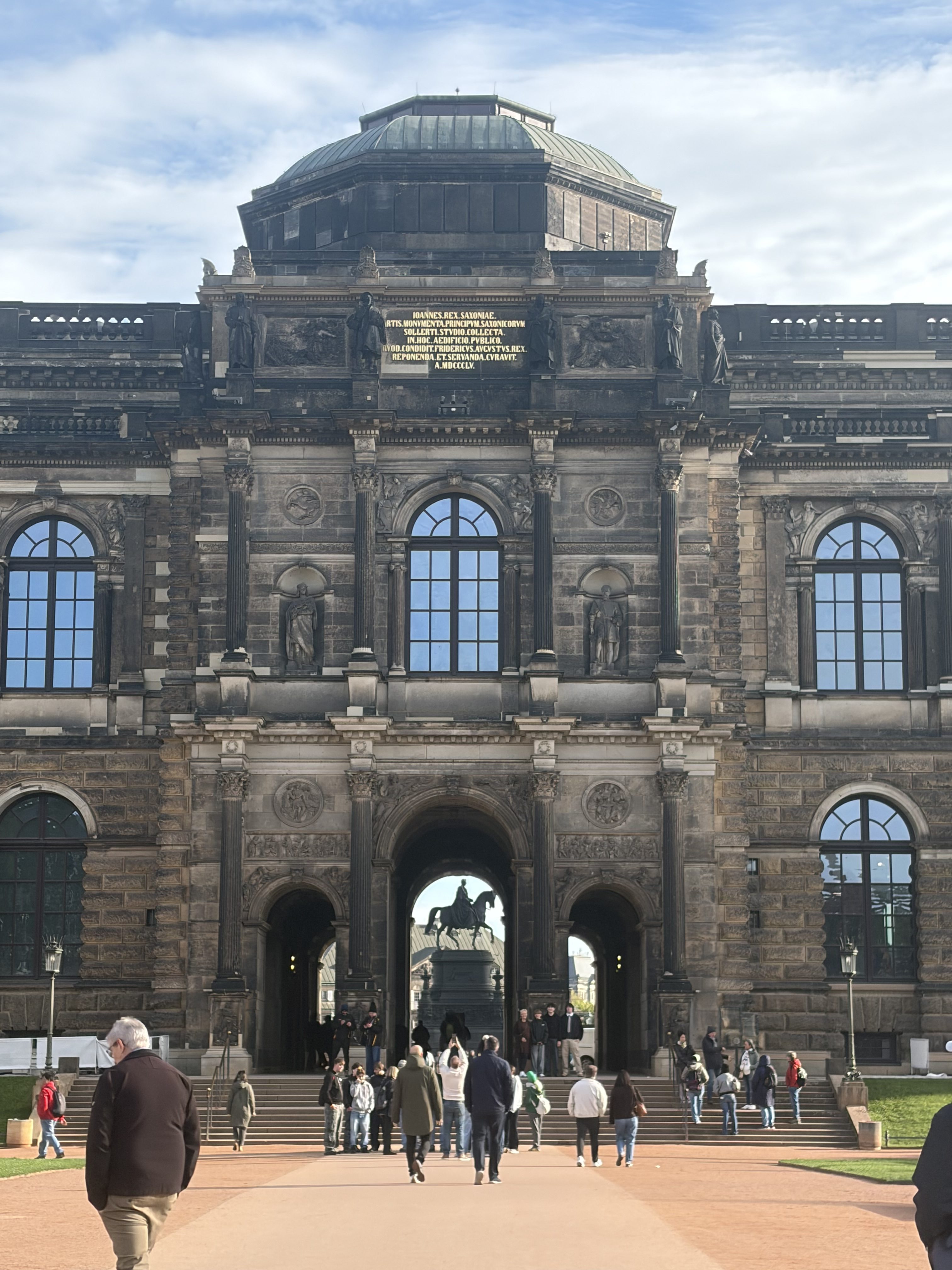
We spent hours walking among Dresden’s elegant buildings, admiring their architecture and the intricate sculptures adorning their façades. The Roman Catholic Cathedral, or Dom, is crowned with sculptures of saints encircling its roofline. Across the square stands the famous Semperoper (opera house), adorned with bronze horses and chariots. The Zwinger Palace is equally stunning, with a large black-and-gold crown rising above its walls.
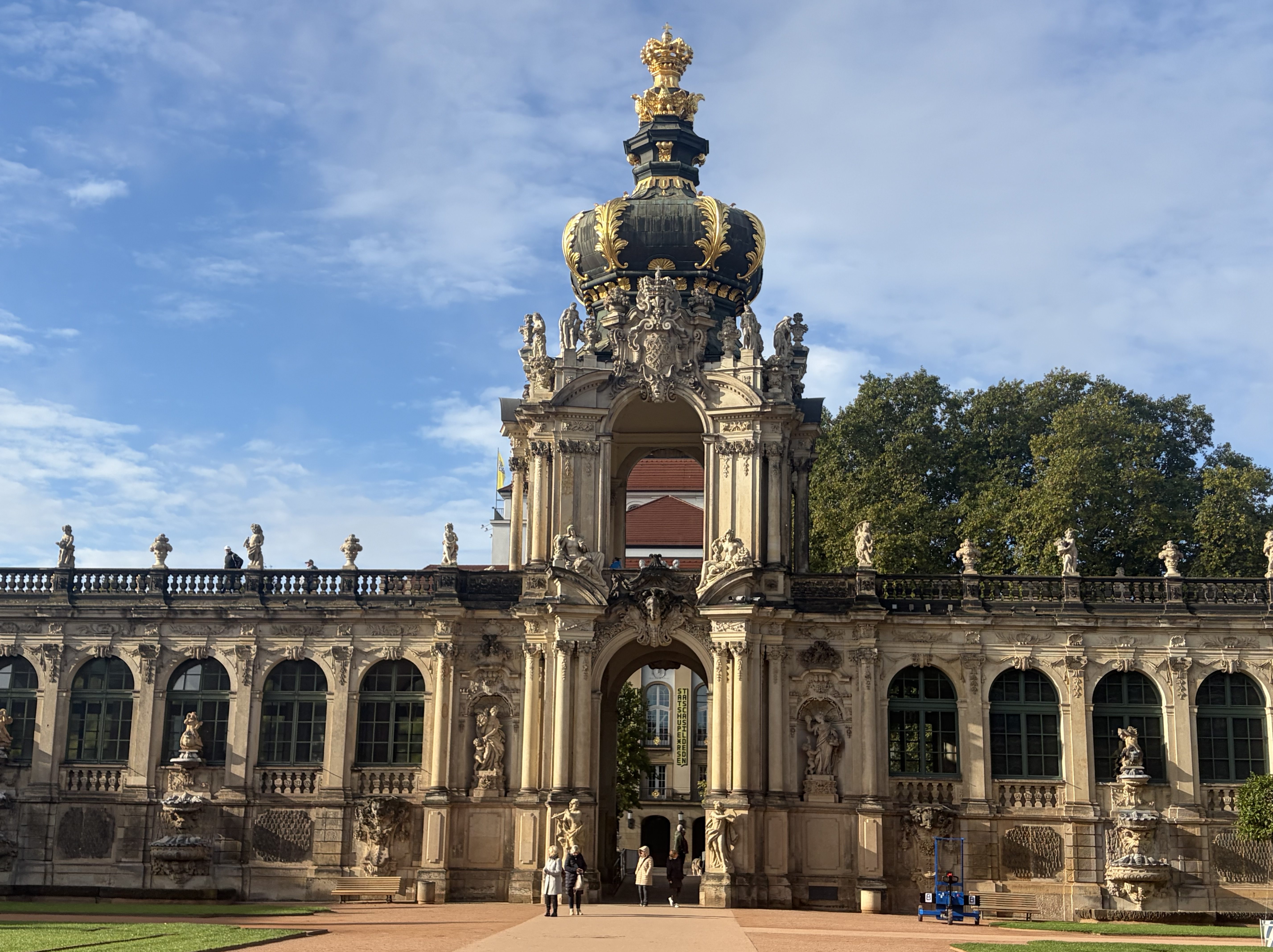
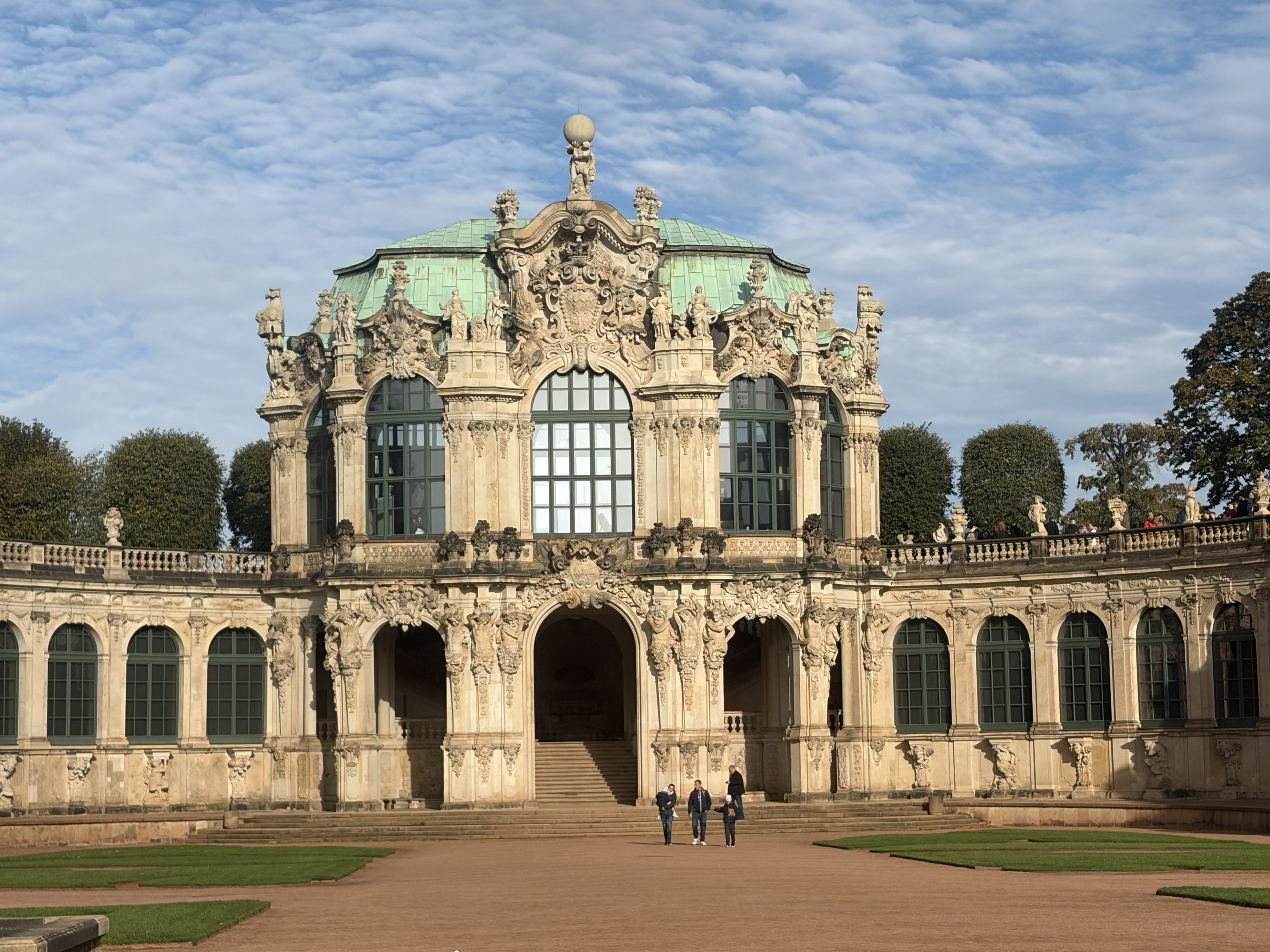
Tom and Nancy, along with Randy and Melisa, visited the famous Green Vault, which houses an extraordinary collection of unusual and opulent works of art. One simply cannot overstate the Baroque charm of Dresden!
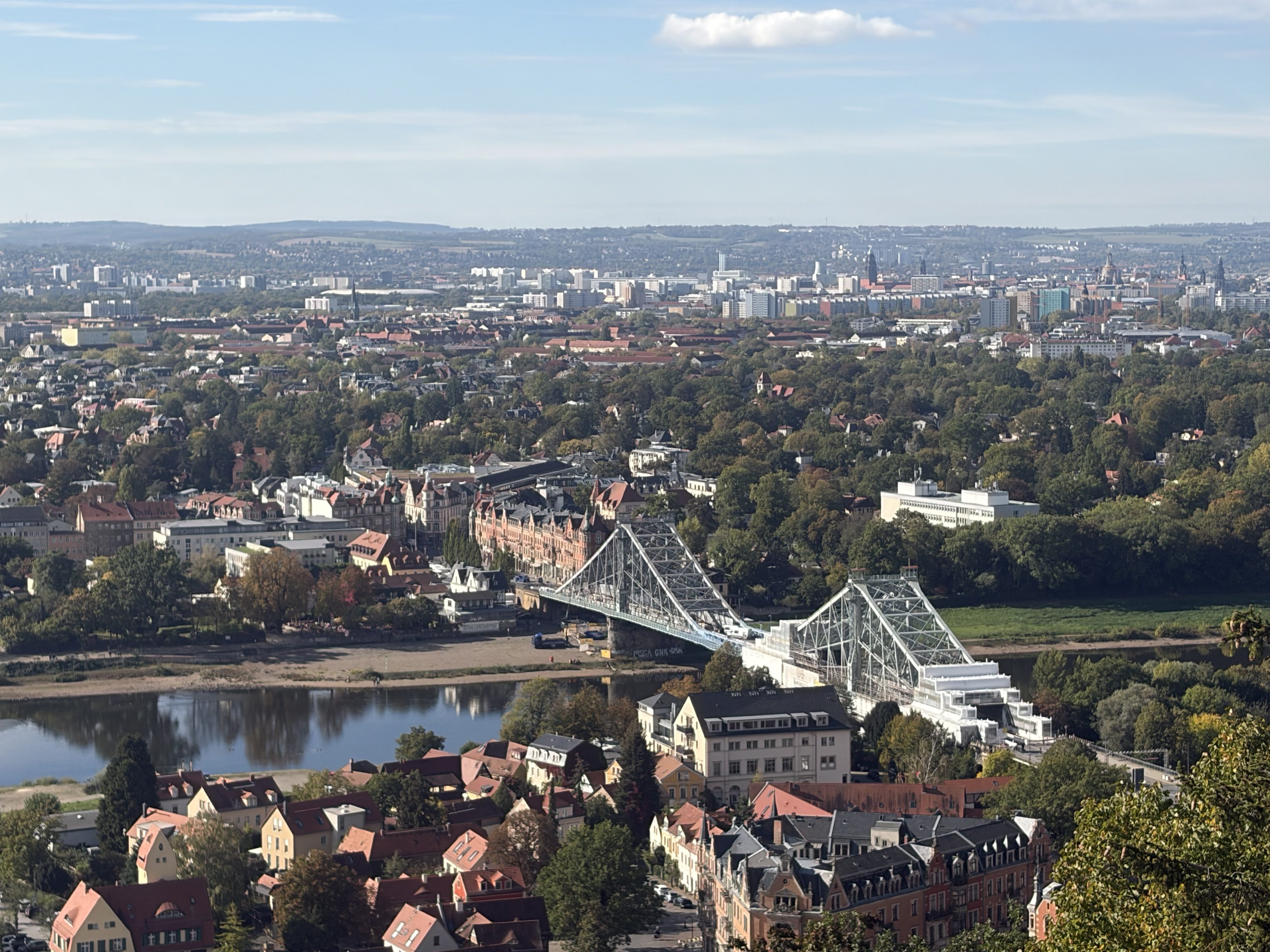
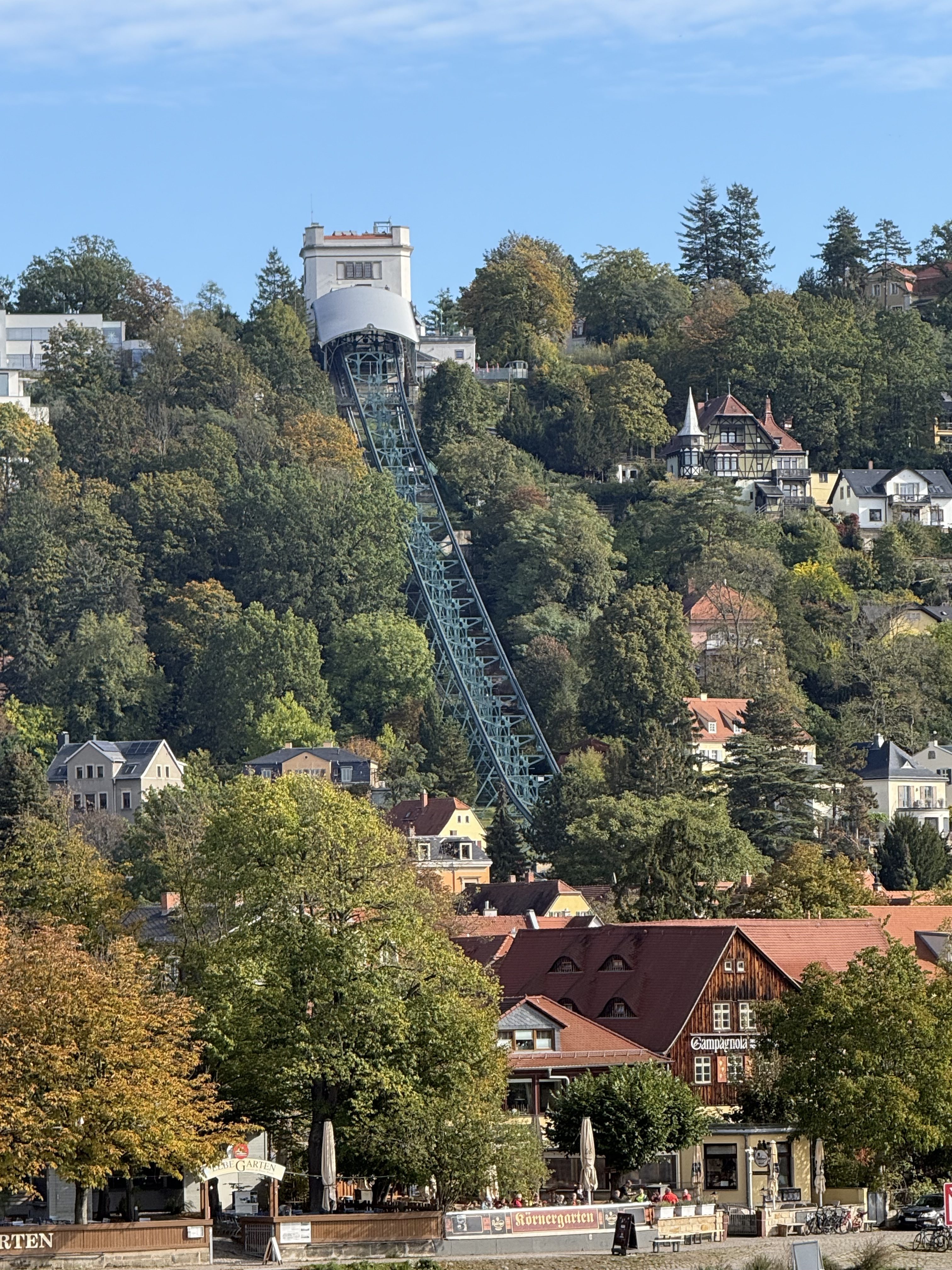
We also enjoyed a fun adventure as we set out to find and ride the suspended funicular, which climbs the hillside above the Elbe River, only a mile and a half from our hotel. Another unexpected adventure came when we boarded a bus and enjoyed a two-hour tour through beautiful residential neighborhoods, making what seemed like umpteen stops along the way! We returned to favorite restaurants we had enjoyed on previous visits and savored every morsel.
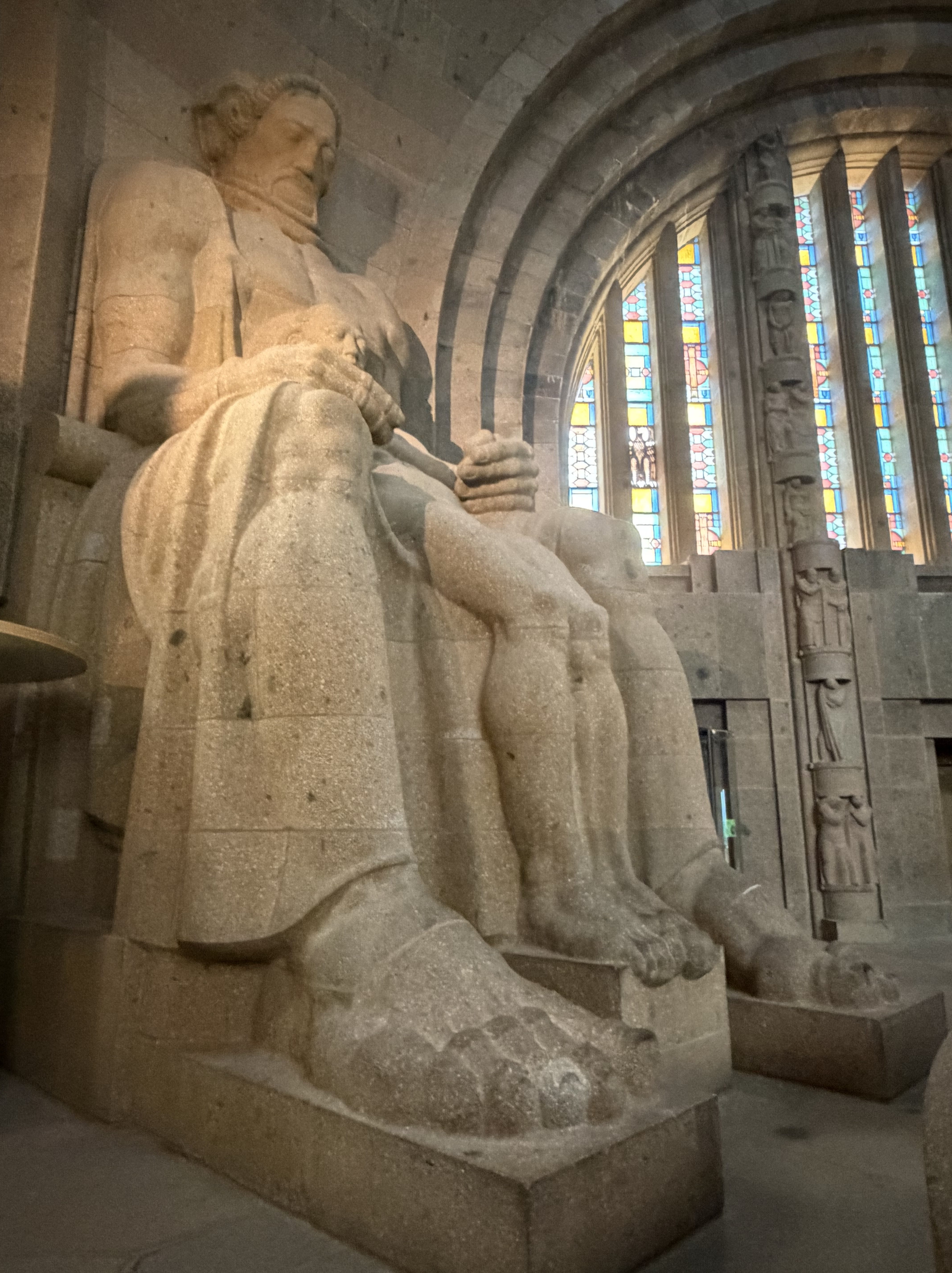
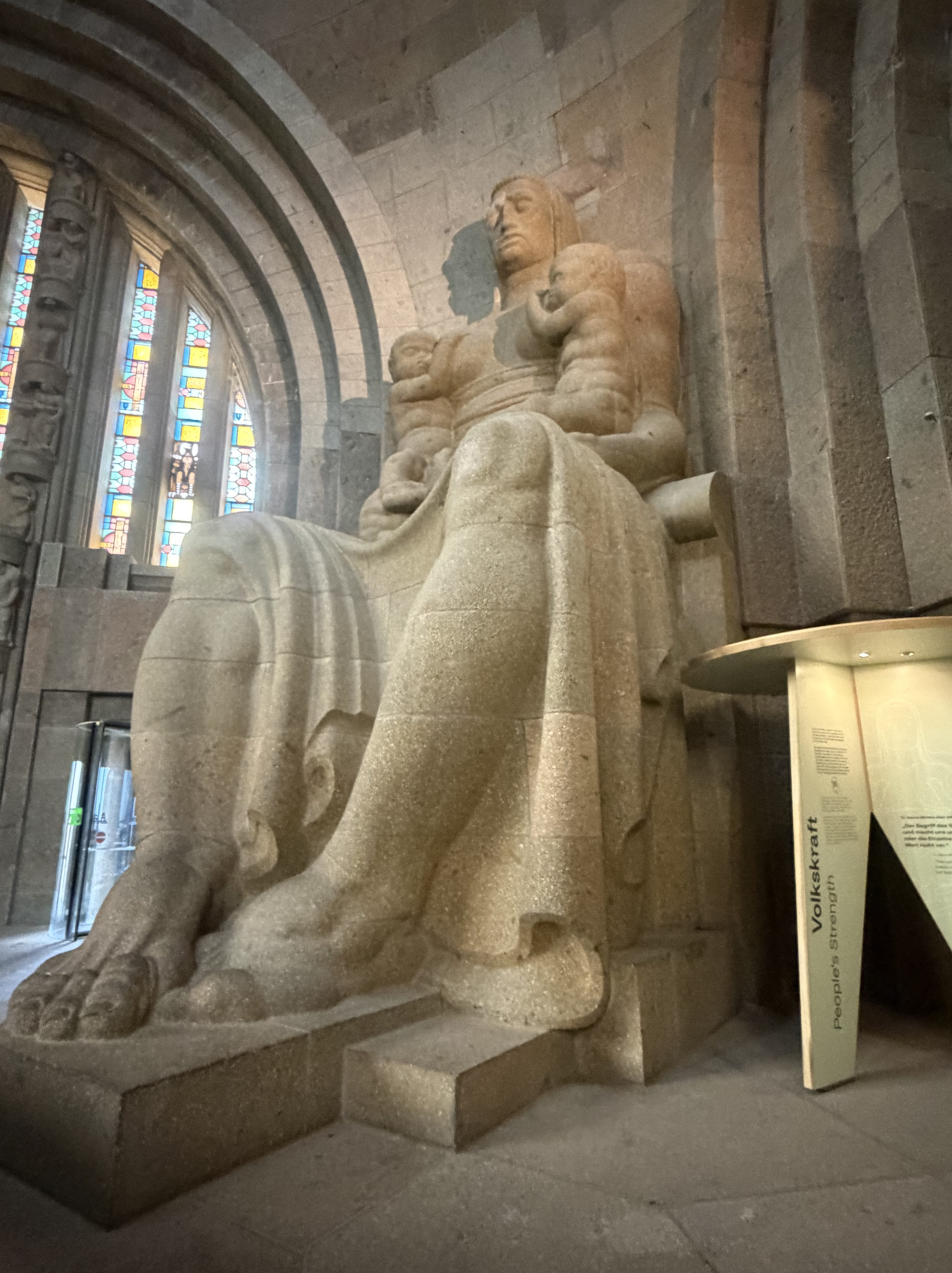
We also took a wonderful day trip to Leipzig, an emerging European technology center. As the home of Johann Sebastian Bach, the great composer and musician, Leipzig holds a special place in musical history. We enjoyed strolling through its main pedestrian district.
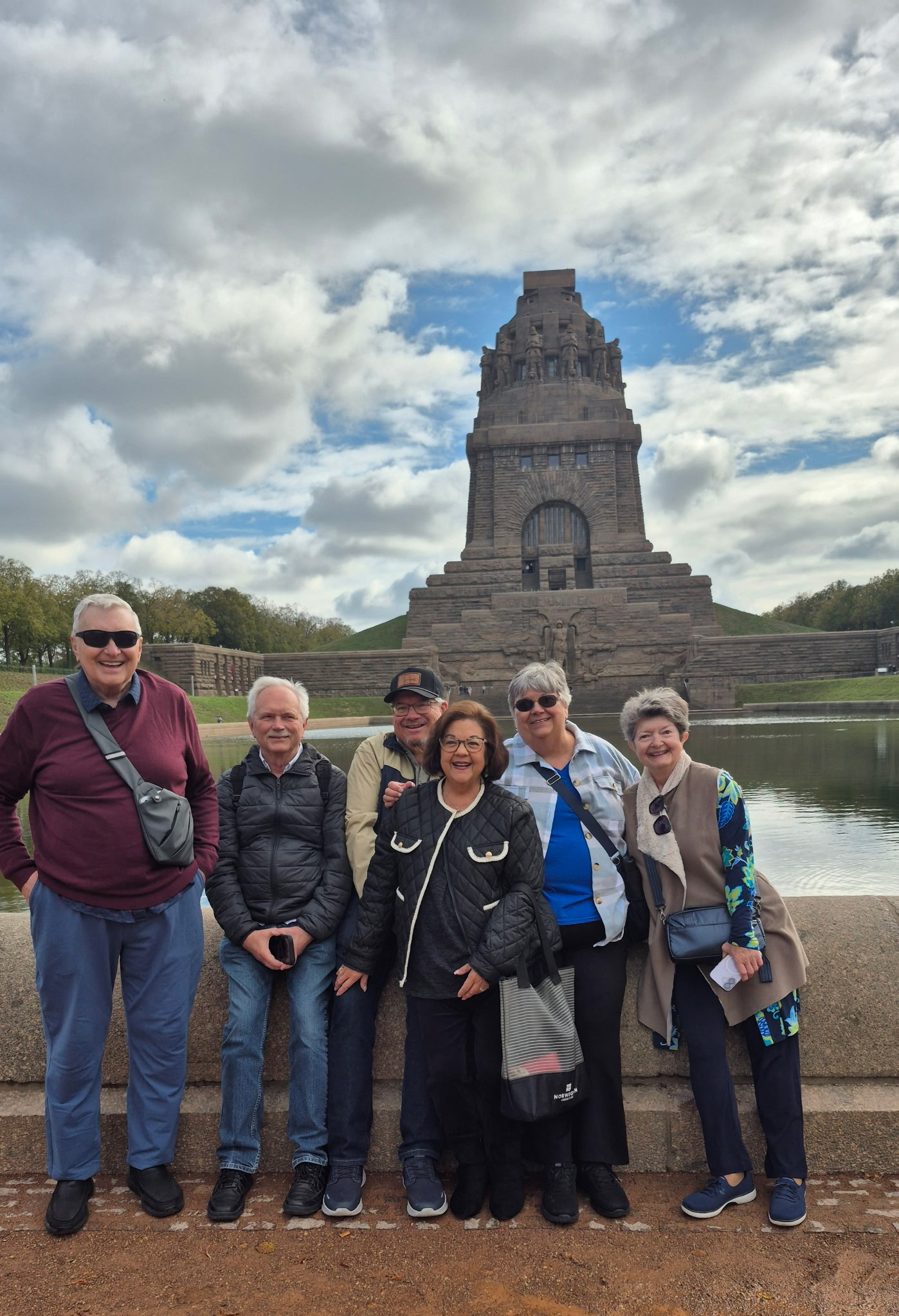
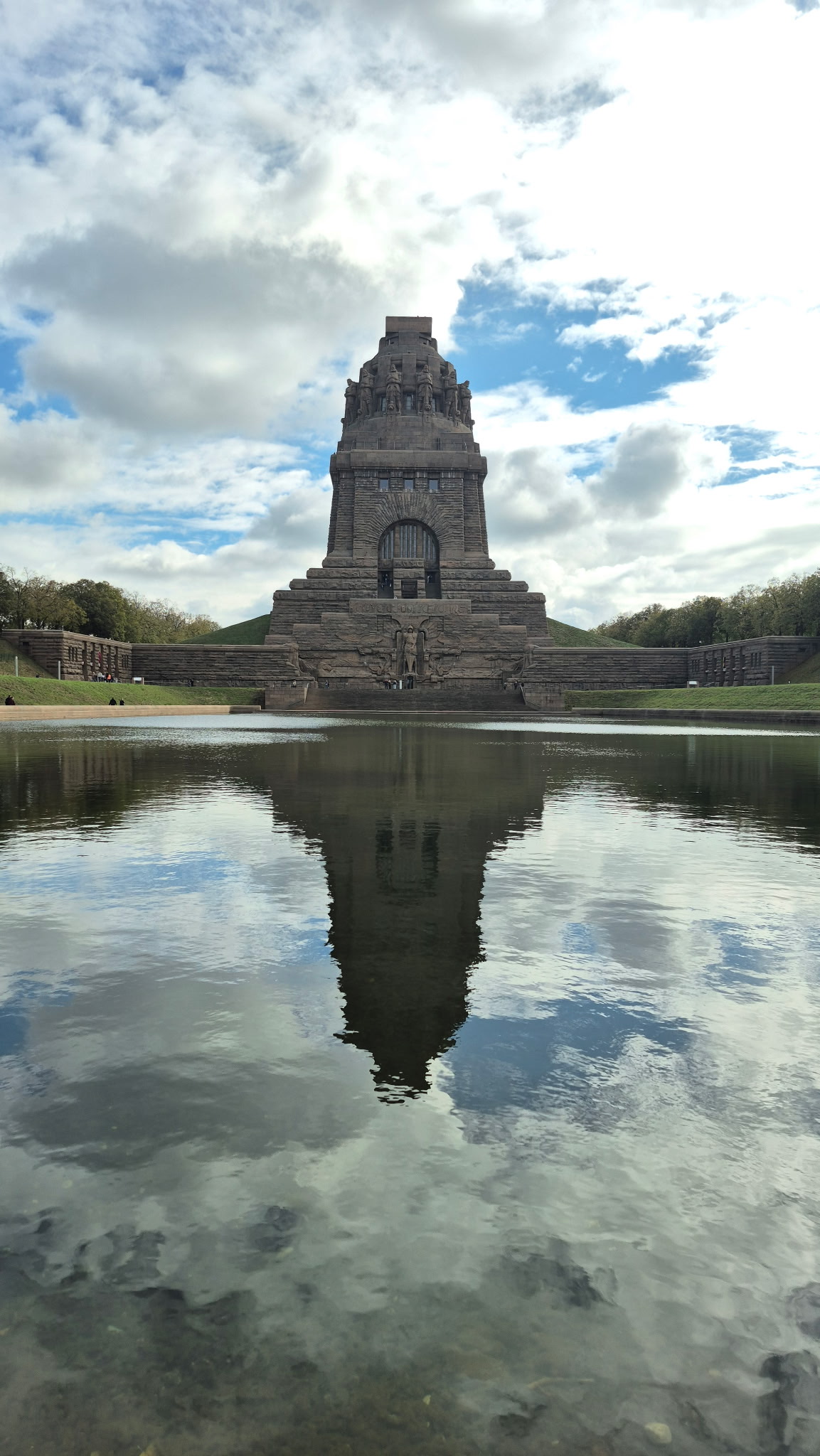
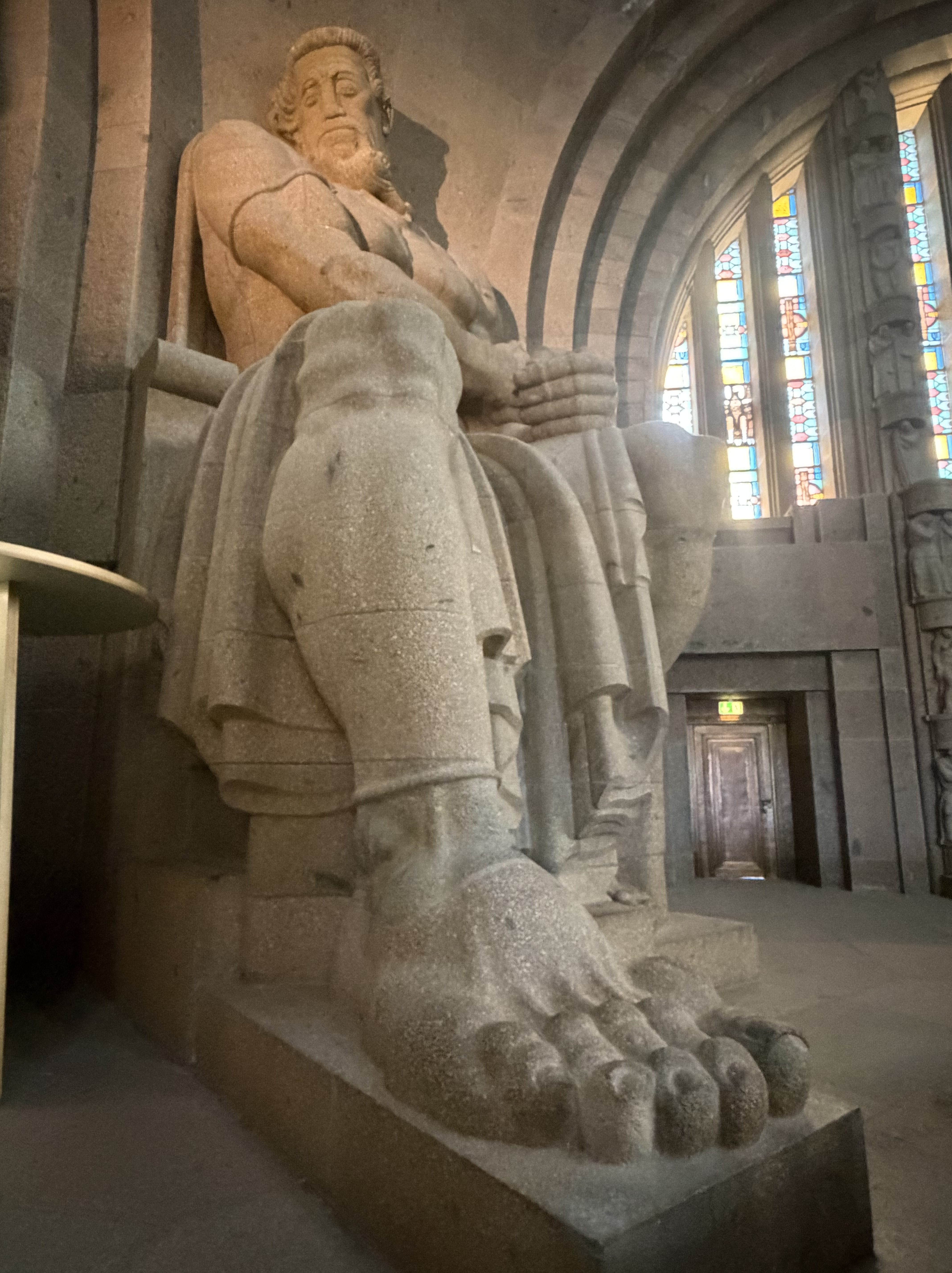
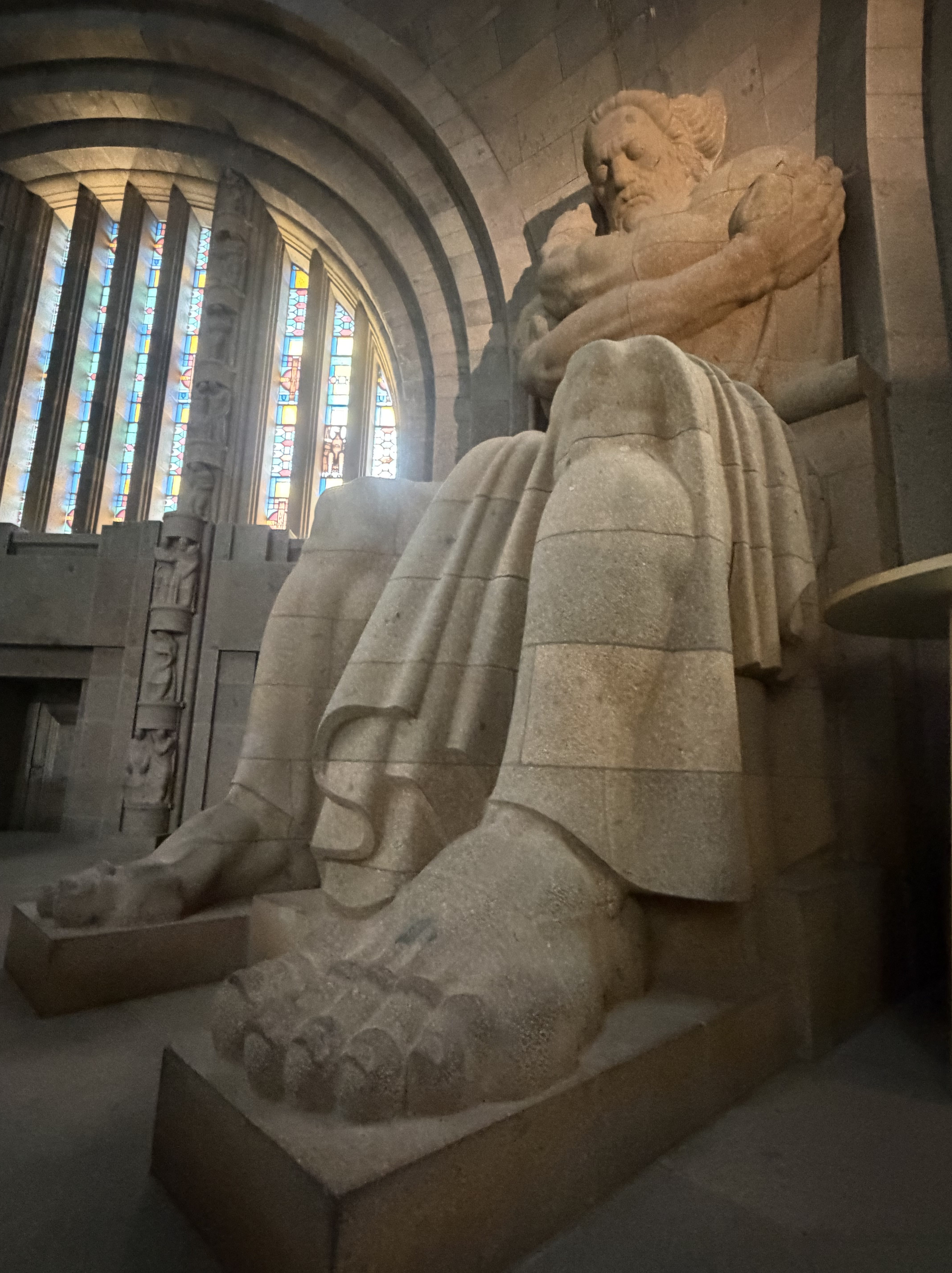
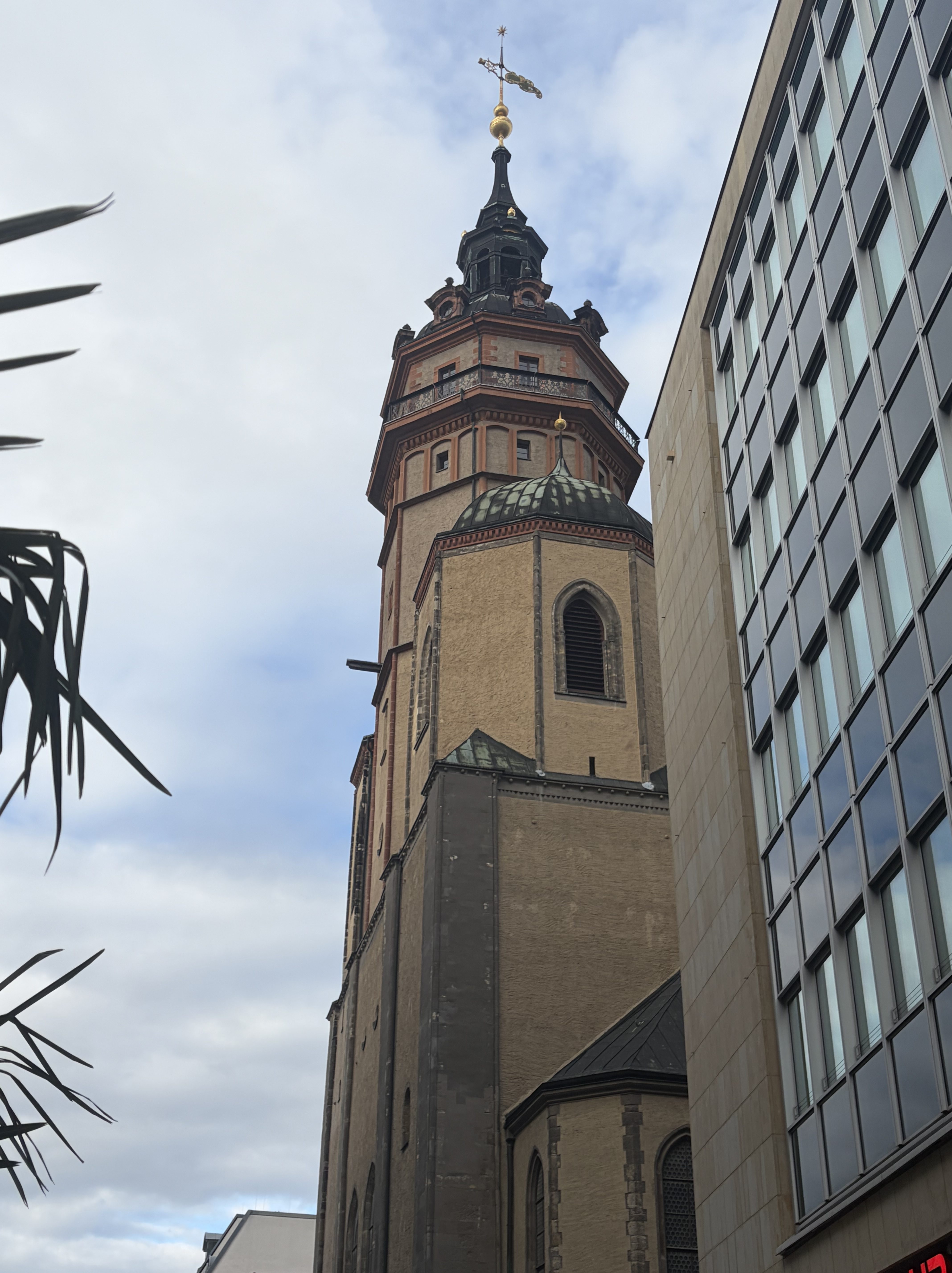
There, we visited St. Nicholas Church, a Lutheran church with a striking pink-and-green Baroque interior. Its enormous pillars, painted in delicate shades of pink and adorned with stucco palm fronds, create intricate patterns that reach toward the lofty ceiling. This church also holds a significant place in modern German history. It was here that the peaceful demonstrations, accompanied by candle-bearing crowds, helped spark the movement that ultimately led to the fall of the Berlin Wall, which had divided East and West Germany.
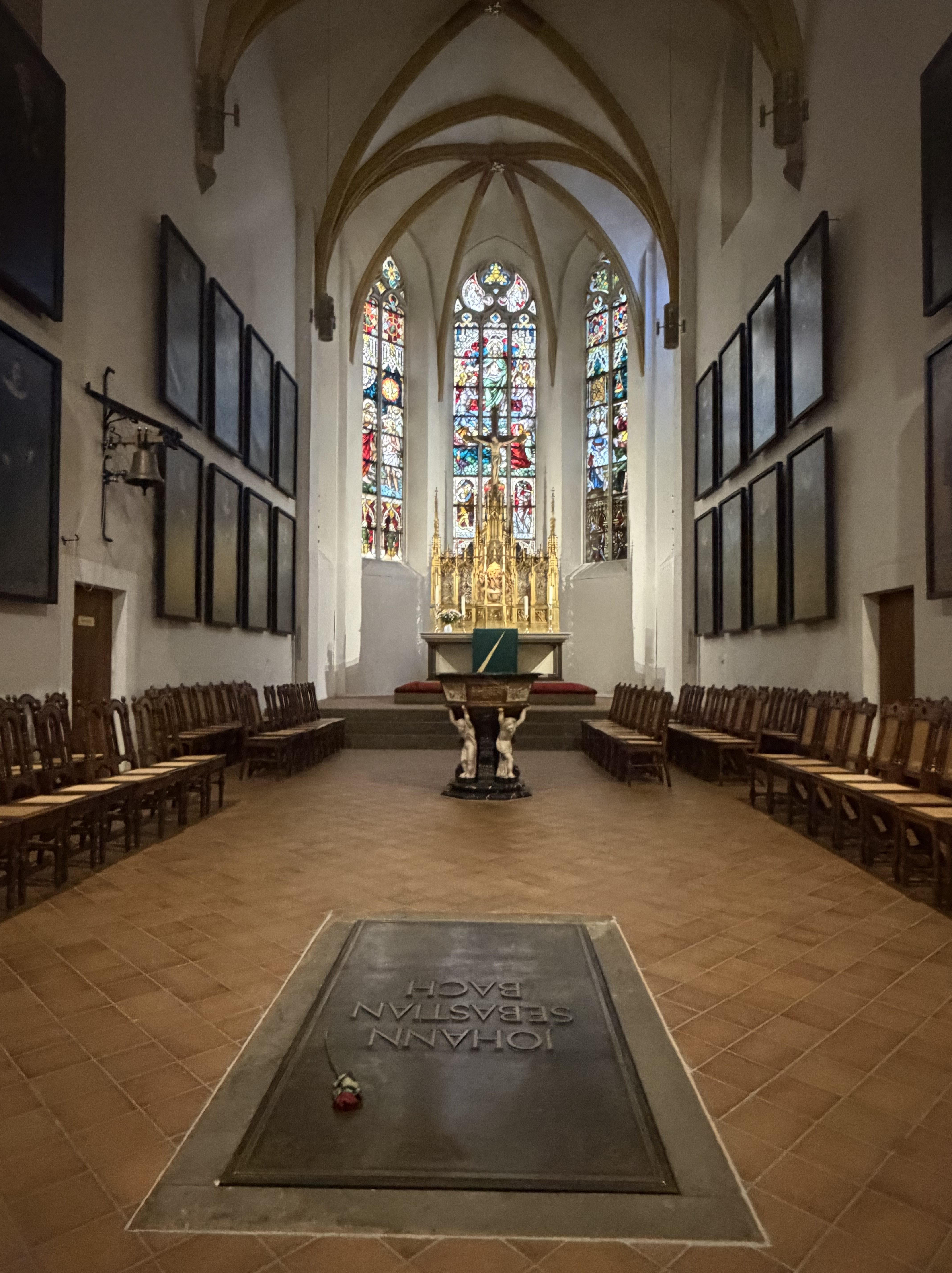
We also visited St. Thomas Church, another Lutheran landmark, where J. S. Bach served as music director and composed many of his important works. The church is home to the renowned St. Thomas Boys Choir, whose history spans more than eight centuries, and Bach himself is buried there. Standing in such a historic place, surrounded by the legacy of this extraordinary musician, was a special experience.
The weather throughout our day in Leipzig was outstanding, adding to our enjoyment of this memorable excursion!
Now, on to Berlin!
 kgraumann
 wgraumann
